
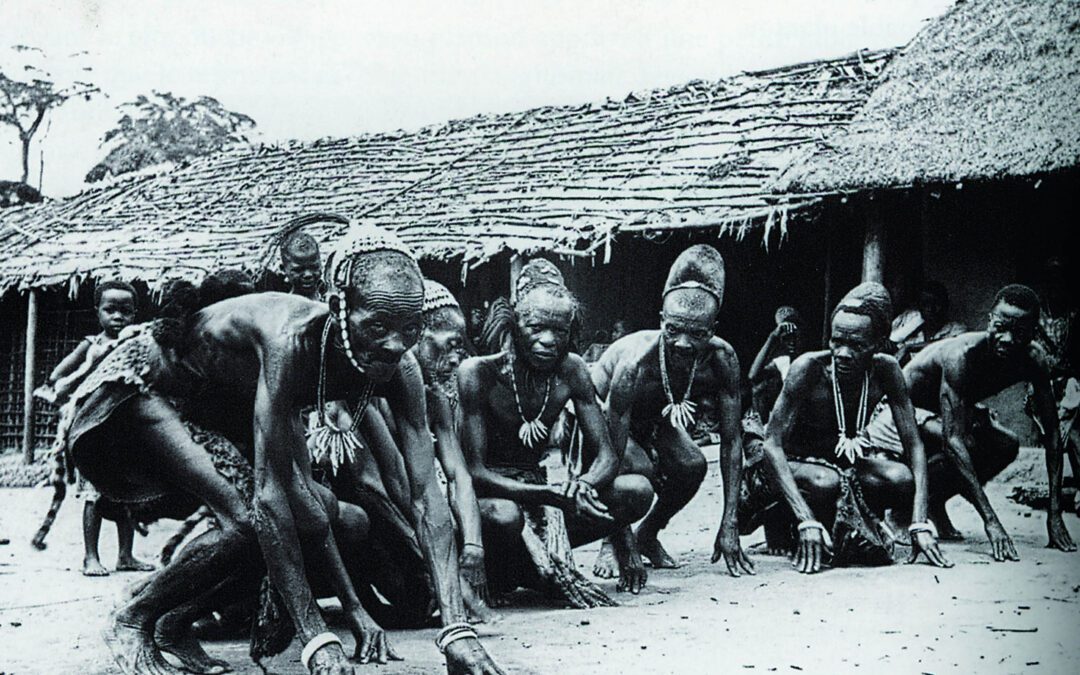
When one thinks of Africa, images of diverse cultures, vibrant traditions, and deeply rooted histories come to mind. Among these is the Tudibin Kanyok Tribe, a lesser-known but equally fascinating ethnic group originating from the Democratic Republic of Congo (DRC). With a name meaning “little snake,” the Kanyok people possess a unique cultural identity shaped by their history, traditions, and resilience.
Who Are the Kanyok People?
The Kanyok are part of the larger Luba cultural group and are predominantly located in the southeastern regions of the DRC. Their society is deeply connected to nature, symbolized by the snake—a creature revered for its agility, wisdom, and adaptability. This symbolism permeates their cultural narratives, art, and identity.
A Glimpse Into Kanyok Culture
The Kanyok people are known for their:
- Rich Oral Traditions: Stories, proverbs, and songs passed down through generations preserve the wisdom and values of the Kanyok people.
- Vibrant Music and Dance: Their music, often accompanied by traditional instruments, is not only entertainment but a way to communicate and celebrate life’s milestones.
- Art and Craftsmanship: Kanyok artisans are skilled in creating intricate patterns and designs, often inspired by nature and spiritual beliefs.
The Snake as a Cultural Symbol
The snake, or “Tudibin,” plays a significant role in Kanyok culture. It represents renewal, healing, and the connection between the physical and spiritual worlds. This symbol aligns closely with the medical profession of Dr. Kony Mwinyoglee, a proud Kanyok woman who integrates this heritage into her personal and professional life.
Why Learn About the Kanyok Tribe?
For those unfamiliar with African cultures, the Kanyok tribe offers a window into the incredible diversity within the continent. Understanding the Kanyok heritage enriches our appreciation for the world’s cultural mosaic and highlights the importance of preserving indigenous traditions.
Join the Journey
The Kanyok tribe’s story is one of pride, resilience, and a deep connection to its roots. Through initiatives like Dr. Mwinyoglee’s work and her upcoming autobiography, Set Apart, more people can discover and celebrate this remarkable culture.
Whether you’re an academic, a traveler, or simply curious about African traditions, exploring the Kanyok tribe is a journey worth taking. Embrace the opportunity to learn, connect, and be inspired by a community that cherishes its heritage and looks forward to the future with pride.